Liputan6.com, Jakarta: Bila selama ini perusahaan Apple identik dengan Steve Jobs, kini dunia mulai mengenal Steve Wozniak. Wozniak sendiri dikenal sebagai co-founder Apple bersama Jobs. Wozniak merupakan karyawan pertama Apple dan meski saat ini dirinya tidak lagi terkait dengan Apple sebagai salah satu pemegang saham, Wozniak kini aktif sebagai pemerhati teknologi dunia.
Tokoh teknologi gadget yang memfavoriti iPhone ini, Kamis (16/7), Wozniak menggelar press confrence bertempat di hotel JW Marriott, Jakarta. Wozniak mengatakan bahwa dalam seminar yang akan dilangsungkan Selasa (17/7) di Balai Kartini, Jakarta ia akan lebih "sharing moment" kepada para peserta seminar dengan mengangkat tema fungsi dari inovasi dan kreativitas serta bagaimana cara mengimplementasikannya dalam bisnis.
Wozniak juga menilai pasaran produk teknologi (gadget) di Indonesia cukup menjanjikan, mengingat tingkat pertumbuhan ekonomi yang cukup sehat di Indonesia. Satu suntikan semangat yang diberikan Wozniak kepada para pelaku bisnis muda adalah untuk tidak takut memulai bisnisnya karena untuk setiap inovasi kita bisa mendaftarkan hak paten karya tersebut demi keamanan aset kita.
Meski produk keluaran Apple masih menjadi favoritnya, namun Wozniak tetap berpandangan objektif terhadap produk gadget lainnya. Ia juga mengakui beberapa produk gadget lainnya bagus. Seperti Windows Phone yang ia komentari "beautiful". Meski menjamurnya produk gadget canggih sekarang ini, ia tetap berpendapat semua kembali lagi pada kebutuhan kita akan aplikasi di gadget tersebut.
Wozniak juga sempat mengomentari masa depan Apple. Menurutnya Apple selalu membuat produk bagus dan ia percaya bahwa produk bagus akan memimpin pelayanan servis lainnya. (GEG/ARI)
Source : MSN
Tampilkan postingan dengan label apple. Tampilkan semua postingan
Senin, 16 Juli 2012
Kamis, 05 Juli 2012
Issue - Apple Ipad Mini
Setelah kemuculan tablet Google Nexus 7, rumor adanya iPad berukuran mini yang akan diluncurkan Apple kembali berembus. Rumor ini sebenarnya telah beredar sejak 2009, namun kembali dipanaskan oleh Bloomberg.
Dikutip dari situs teknologi PC Mag, Rabu, 4 Juli 2012, media tersebut menyebutkan bahwa Apple akan meluncurkan iPad dengan bentang layar 7 atau 8 inci, lebih kecil dari tradisi iPad yang selama ini berlayar 9,7 inci.
Selain itu disebutkan pula bahwa meskipun iPad generasi terakhir kerap disanjung berkat teknologi Retina Display, iPad mini tidak akan menggunakan teknologi yang sama. Tablet ini dikatakan menggunakan layar yang lebih murah untuk menekan harga jualnya, sehingga dapat bersaing dengan Nexus 7 milik Google atau Kindle Fire dari Amazon.
Tablet mini iPad itu akan diumumkan sekitar bulan Oktober mendatang dan mulai dipasarkan pada musim liburan di akhir tahun nanti.
Selain Bloomberg, ada dua media lain yang melansir informasi seputar iPad mini. Yang pertama adalah NPD DisplaySearch yang menyebutkan bahwa Apple akan mengeluarkan tablet berukuran 7,85 inci.
Ada pula sebuah situs berbahasa Cina yang melaporkan bahwa iPad mini akan menggunakan display IGZO dari Sharp.
Meski rumor iPad mini terus berhembus kencang, beberapa pihak justeru meragukan apakah Apple benar-benar akan meluncurkan produk tersebut.
Mereka beralasan, Apple sudah mapan dengan iPad. Perusahaan yang dipimpin Tim Cook itu juga bukan vendor yang dikenal reaktif dengan munculnya produk baru, terutama yang belum teruji di pasar seperti Nexus 7.
Sumber : Tempo
Sumber : Tempo
Jumat, 20 Mei 2011
SimCard Apple Lebih Tipis
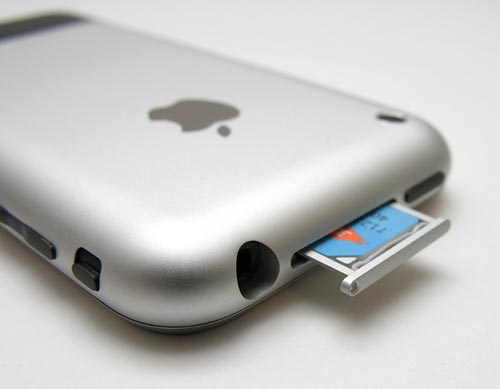
Apple menginginkan masa depan iPhone dan iPad lebih tipis lagi, demikian menurut sebuah laporan. Tentu, untuk mencapai itu industri telekomunikasi bakal membutuhkan kartu SIM lebih imut lagi.Itulah paling tidak yang didengar Reuters dari penyedia layanan telekomunikasi nirkabel asal Prancis, Orange. Publikasi itu mengklaim, bahwa Apple mengajukan satu standar SIM lebih tipis, namun Institut Standar Telekomunikasi Eropa, (ETSI) belum mengambil keputusan terkait proposal Apple.
Jelas sudah, rencana ini menggambarkan bagaimana Apple begitu terpaku pada detail. SIM yang lebih kecil tentu akan membantu mengurangi ketebalan iPhone atau iPad cukup signifikan, demikian menurut iFixit, perusahaan reparasi yang telah mengikuti dan mengkaji evolusi dalam komponen-komponen Apple selama bertahun-tahun.
"Mereka mengoptimalkan pengurangan sejumlah milimeter di sini," ujar Kyle Wiens, CEO iFixit dalam sebuah wawancara yang dilansir oleh Wired.
Bila industri telekomunikasi setuju berkata ya pada kartu SIM lebih mungil, maka jenis ponsel cerdas lain dan perakit tablet akan cenderung mengadopsi standar itu pula, yakni membuat piranti mereka lebih tipis.
iPhone Apple generasi 4 dan iPad, keduanya telah menggunakan kartu SIM lebih kecil, SIM Micro, sebuah standar yang dikembangkan oleh ETSI. Namun SIM Micro itu memiliki ketebalan sama dengan versi SIM konvensional yang lebih besar, meski kinerja telah didongkrak untuk jaringan komunikasi lebih baik. Jadi, penyusutan ukurang SIM Micro tetap tidak mengurangi ketebalan produk terbaru tersebut.
Selama bertahun-tahun, Apple telah dielukan sebagai pemimpin desain dalam industri teknologi, kerap melakukan pengenalan produk pertama kali dengan paket super kompak, rapat, dengan sudut tajam dari berbagai faktor, seperti iPhone, iPad dan juga MacBook Air.

Upaya mendorong standar SIM baru yang lebih tipis adalah contoh bagaimana Apple merencanakan desain di masa depan.
Adopsi standar SIM baru akan menjadi proses lambat, menurut ETSI. Dan, imbuh iFixit yang menyetujui teori itu, proses bisa membutuhkan waktu setahun hingga lebih.
"Satu yang perlu dipikirkan adalah bagaimana standar itu dapat diterima semua," ujar Wiens. "Mereka memiliki rencana mengenai apa yang mereka butuhkan beberapa tahun ke depan. Tapi membuat semua operator telekomunikasi menuju standar itu benar-benar butuh waktu serius, jadi memang sebaiknya dimulai secepat mungkin."
Sumber : Republika.co.id - Redaktur: Ajeng Ritzki Pitakasari
Minggu, 15 Mei 2011
Rekor iPhone 4 dan Angry Birds
Suatu keistimewaan ketika Guinness World Records menyandangkan gelar tercepat, terbesar, terpanjang dan julukan 'ter-' lainnya kepada sesuatu hal atau seseorang. Nah, iPhone 4 dan Angry Birds, mengukir rekor dunia untuk ranah teknologi dan game. Rekor apa yang berhasil disabet keduanya?Dalam pernyataannya yang dirilis pekan ini, pencatat rekor ternama ini menyebutkan App Store Apple sebagai salah satu platform gaming revolusioner dalam sejarah dan telah menjadi penantang serius dalam rekor gaming.
"Dirilisnya iPhone, tak hanya mengubah indsutri mobile, tetapi juga dunia video game. Apple telah menciptakan ruang baru yang besar untuk dirinya di genre game casual yang secara literal menghadirkan hiburan bagi pengguna dimana pun mereka berada," terangnya.
Dalam kategori sistem gaming portabel tercepat penjualannya, Guinnes World Records menobatkan iPhone 4 di urutan nomor satu. Publik pun mungkin masih ingat, pada hari pertama penjualannya pada 24 Juni di 2010, 1,5 unitn iPhone 4 laris manis bak kacang goreng.

Sebagai perbandingan, disertakan pula PSP dan Nintendo DS. Dua konsol ini terjual 200 ribu dan 500 ribu unit pada peluncuran perdananya di 2005 dan 2004.
App Store menjadi toko aplikasi paling populer versi Guinnes World Records. Dalam tiga tahun, unduh aplikasi di App Store telah melampaui 6,5 miliar kali.
Angry Birds juga menjadi perhatian Guinnes World Records. Game yang tengah naik daun ini mencetak rekor sebagai game terlaris di berbagai negara.
"Game ini diakui sebagai top paid-for game di App Store Apple, di 67 wilayah di dunia. Sejak diluncurkan pada Desember 2009, Angry Birds tercatat telah terjual lebih dari 6,5 juta kopi," kata Deaves.
Dan seperti diketahui, Angry Birds kini tak hanya ada di iPhone saja, tetapi merambah ke ponsel dengan sistem operasi lain seperti smartphone berbasis Android dan Windows Phone 7.
Sumber :Detikinet.com
Selasa, 03 Mei 2011
Komputer Desktop iMac dari Apple
Apple memperbarui lini produk komputer desktop iMac dengan model terbarunya, Selasa (3/5/2011). Produk baru ini mengusung dua teknologi terbaru Intel, yakni prosesor berbasis Sandy Bridge dan dilengkapi port transfer data yang disebut Thunderbolt.Dengan prosesor terbaru Intel, iMac baru diklaim menyediakan akses dua kali lipat lebih kencang ketimbang versi sebelumnya. Tidak main-main, yang digunakan memang prosesor quad core atau berinti empat Intel Core i5 atau i7.
Sementara itu, Thunderbolt disiapkan untuk mengantisipasi transfer data lebih tinggi menggunakan kabel. Ini merupakan teknologi input dan output mirip USB port, tetapi dapat mentransfer data hingga kecepatan 20 kali lipat. Apple kali pertama memasang Thunderbolt pada lini produk notebook MacBook Pro. Bedanya, kalau di MacBook Pro ada satu port di iMac baru ada dua port.
Tersedia dua pilihan model dengan ukuran layar 21,5 inci dan 27 inci. Satu iMac ini akan dijual dengan harga mulai 1.199 dollar AS.
Sumber :tekno.kompas.com
Rabu, 29 Desember 2010
Wi-Fi Overload at High-Tech Meetings
Last June, Steven Jobs of Apple asked people to turn off laptops and phones because a strained network was interfering with his presentation. SAN FRANCISCO — Internet entrepreneurs climb on stage at technology conferences and praise a world in which everyone is perpetually connected to the Web.But down in the audience, where people are busy typing and transmitting this wisdom, getting a Wi-Fi connection is often downright impossible.
“I’ve been to 50 events where the organizer gets on stage and says, ‘It will work,’ ” said Jason Calacanis, chief executive of Mahalo, a Web search company. “It never does.”
Last month in San Francisco at the Web 2.0 Summit, where about 1,000 people heard such luminaries as Mark Zuckerberg of Facebook, Julius Genachowski, chairman of the Federal Communications Commission, and Eric E. Schmidt of Google talk about the digital future, the Wi-Fi slowed or stalled at times.
Earlier this year, Steven P. Jobs, Apple’s chief executive, had to ask the audience at his company’s developer conference to turn off their laptops and phones after his introduction of the iPhone 4 was derailed because of an overloaded Wi-Fi network.
And few of Silicon Valley’s technorati seem willing to forget one of the biggest Wi-Fi breakdowns, on the opening day of a conference in 2008 co-hosted by the technology blog TechCrunch. It left much of the audience steaming over the lack of Internet access. The next morning, the organizers — who included Mr. Calacanis — clambered onto the stage to apologize and announce that they had fired the company that installed the Wi-Fi.
Technology conferences are like revival meetings for entrepreneurs, deal makers and the digitally obsessed. Attendees compulsively blog, e-mail, text and send photos and video from their seats.
Some go so far as to watch a webcast of the event on their laptops rather than look up at the real thing right in front of them. Nearly all conferences make free Wi-Fi available to keep the crowd feeling connected and productive.
The problem is that Wi-Fi was never intended for large halls and thousands of people, many of them bristling with an arsenal of laptops, iPhones and iPads. Mr. Calacanis went to the extreme at the Web 2.0 Summit by bringing six devices to get online — a laptop, two smartphones and three wireless routers.
He explained — while writing e-mails on his laptop — that as a chief executive and investor, he needed dependable Internet access at all times. “You’ve still got to work,” Mr. Calacanis said.
Wi-Fi is meant for homes and other small spaces with more modest Internet demands, says Ernie Mariette, founder of Mariette Systems, which installs conference Wi-Fi. “You’re asking a technology to operate beyond its capability.”
Conference organizers and the Wi-Fi specialists they hire often fail to provide enough bandwidth. Many depend on the infrastructure that the hotels or convention centers hosting their events already have in place.
Companies that install Wi-Fi networks sometimes have only a day to set up their equipment in a hall and then test it. They must plan not only for the number of attendees, but also the size and shape of the room, along with how Wi-Fi signals reflect from walls and are absorbed by the audience.
“Every space is different and every crowd is different,” Mr. Mariette said.
What is good enough for a convention of podiatrists is woefully inadequate for Silicon Valley’s connected set.
“I’ve been to health care conferences where no one brings a laptop,” said Ross Mayfield, president of the business software company Socialtext and a technology conference regular.
Technology conferences are an anomaly. Some regulars joke, perhaps accurately, that the events are host to more Internet devices per square foot than anywhere in the world. All too often, the network freezes after becoming overwhelmed with all the nonstop streaming, downloading and social networking.
That was what happened this year at the RailsConf, a software conference in Baltimore, when attendees caused Wi-Fi gridlock by tuning in to a webcast of an unrelated event across the country. Nearly everyone, it turned out, wanted to watch Apple’s live unveiling of the iPhone 4, the very one that fell victim to a Wi-Fi crash.
Adding more Wi-Fi access points does not necessarily fix the problem, Mr. Mariette said. In fact, doing so may make the situation worse by creating more interference.
To avoid Wi-Fi gridlock, conference organizers sometimes ask attendees to turn off electronics they are not using and to refrain from downloading big files. Cooperation is generally mixed, however.
Last year, an attendee at Web 2.0 Expo in New York was so desperate to get online that he offered to pay Oren Michels, chief executive of Mashery, a Web services company, to share his mobile Internet connection. MiFi, as the device is called, enables users to create mini-Internet hot spots using a mobile carrier’s network, not conference Wi-Fi.
“He said, ‘Can I give you 20 bucks for access?’ ” Mr. Michels recalled. “It was just some random person sitting next to me.”
Even if Wi-Fi devices are not connected to the network, they constantly emit signals that create background noise, sometimes until it becomes impossible to get online. IPhones and most BlackBerrys, along with certain laptops, are more susceptible than other devices because they operate on 2.4 GHz, a part of the spectrum that offers only three channels.
The Wi-Fi curse also extends to tech industry press conferences. Google, for instance, once held a press day at its headquarters in Mountain View, Calif., during which the Wi-Fi failed for several hours, although it was restored during the event’s final minutes. The flub did not exactly build confidence that Google and its partner, EarthLink, could deliver on their plans — since abandoned — to blanket San Francisco with free Wi-Fi.
By VERNE G. KOPYTOFF
Published: December 28, 2010
Langganan:
Postingan (Atom)